Returns Management: Cut US Seller Returns by 7% in 2025

US sellers can significantly reduce return rates by 7% in 2025 by implementing strategic returns management solutions, including improved product information, clearer policies, and leveraging technology for better customer experience.
For US sellers navigating the dynamic landscape of e-commerce, mastering returns management solutions isn’t just about handling unwanted items; it’s a strategic imperative. In an increasingly competitive market, reducing return rates by a significant margin, perhaps even 7% in 2025, can unlock substantial profitability and foster unwavering customer loyalty. This isn’t merely an aspiration; it’s an achievable goal with the right strategies in place.
Understanding the Returns Landscape for US Sellers
The volume of product returns continues to be a significant challenge for e-commerce businesses across the United States. It’s not just the lost sale; it’s the associated costs of shipping, processing, repackaging, and potential inventory write-offs that truly impact the bottom line. Understanding the underlying reasons for returns is the first crucial step toward developing effective prevention strategies.
Many returns stem from preventable issues, such as inaccurate product descriptions or mismatched customer expectations. By delving into return data, sellers can uncover patterns and pinpoint specific areas for improvement. This analytical approach transforms returns from a mere cost center into a valuable source of business intelligence.
The Rising Cost of Returns
The financial burden of returns extends far beyond the initial transaction. Each returned item incurs a series of costs that erode profit margins. These include not only the direct costs but also the often-overlooked indirect costs that accumulate over time.
- Shipping and Logistics: Both inbound and outbound shipping costs for returns can quickly add up, especially for larger or heavier items.
- Processing and Restocking: The labor involved in receiving, inspecting, and restocking returned goods represents a significant operational expense.
- Write-offs and Depreciation: Items that cannot be resold as new due to damage or obsolescence result in direct financial losses.
- Customer Service: Handling return inquiries and processing refunds requires dedicated customer service resources, adding to overhead.
Recognizing these multifaceted costs underscores the urgency for robust returns management strategies. A proactive approach can mitigate these expenses, turning potential losses into savings and efficiencies.
Solution 1: Enhance Product Descriptions and Visuals
One of the most common reasons for returns is a discrepancy between a customer’s expectation and the actual product received. This often originates from inadequate or misleading product information on the seller’s website. Investing in comprehensive, accurate, and visually rich product descriptions is a powerful preventative measure.
By providing customers with a clear and honest representation of what they are purchasing, sellers can significantly reduce the likelihood of disappointment and subsequent returns. This proactive approach builds trust and ensures customers make informed decisions, leading to higher satisfaction and fewer return requests.
Detailed Product Specifications
Beyond basic features, elaborate on every relevant detail. This includes dimensions, weight, materials, color variations, and compatibility with other products. Customers appreciate transparency and the ability to visualize the product accurately within their own context.
- Accurate Measurements: Provide exact dimensions (length, width, height) and weight, using both imperial and metric units where applicable.
- Material Breakdown: Clearly state all materials used, especially for clothing, furniture, or electronics, to address potential allergies or quality concerns.
- Functional Details: Explain how the product works, its primary purpose, and any specific requirements for use or assembly.
High-Quality Imagery and Video Content
Humans are visual creatures, and high-resolution images and videos can convey more information than words alone. Multiple angles, lifestyle shots, and even 360-degree views can provide a comprehensive understanding of the product.
Video demonstrations showing the product in use can be particularly effective for complex items or those where scale and functionality are important. This immersive experience helps customers feel more confident in their purchase, reducing the chance of a return due to misinterpretation.
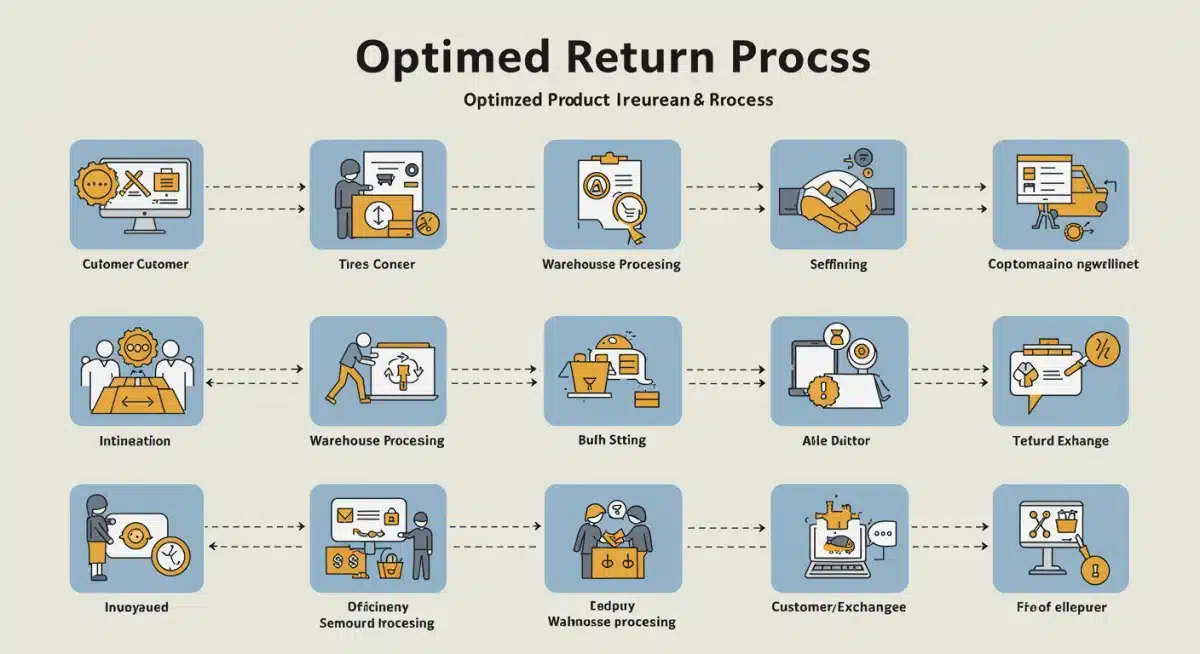
By investing in enhanced product descriptions and visuals, sellers are not just preventing returns; they are also elevating the overall customer shopping experience. Customers who feel well-informed are more likely to be satisfied with their purchases and become repeat buyers.
Solution 2: Implement Clear and Flexible Return Policies
A well-defined and customer-friendly return policy is not just a legal requirement; it’s a powerful tool for building trust and even encouraging purchases. While it might seem counterintuitive, a flexible return policy can actually reduce returns by removing friction and anxiety from the purchasing decision. Customers are more likely to buy if they know they can return an item easily should it not meet their needs.
Clarity in policy communication is paramount. Ambiguous language or hidden clauses can lead to frustration and a negative customer experience, potentially driving customers away even before a return is initiated. A transparent policy fosters confidence and sets clear expectations.
Easy-to-Understand Policy Language
Avoid legal jargon and use plain language that any customer can understand. Clearly outline the conditions for returns, the timeframe, and the steps involved. Make this information easily accessible on product pages, during checkout, and in order confirmation emails.
- Timeframe: Explicitly state the number of days allowed for returns from the delivery date.
- Condition: Specify whether items must be unworn, unused, with tags, or in original packaging.
- Exclusions: Clearly list any non-returnable items, such as final sale products or personalized goods.
Streamlined Return Process
Beyond the policy itself, the actual process of initiating and completing a return should be as simple and intuitive as possible. A complicated return process can deter customers from future purchases, even if they are satisfied with the initial product.
Consider offering pre-paid return labels or a simple online return portal. This reduces the burden on the customer and speeds up the entire process, leading to a more positive experience even when a return is necessary. A frictionless return experience can turn a potentially negative interaction into an opportunity to reinforce customer loyalty.
Solution 3: Leverage Technology for Proactive Returns Prevention
In today’s digital age, technology offers powerful tools for predicting and preventing returns before they even happen. By analyzing data and implementing smart solutions, US sellers can move from a reactive approach to a proactive returns management strategy. This involves using insights from past returns to inform future decisions, thereby minimizing preventable issues.
From AI-powered sizing recommendations to virtual try-on experiences, technology can bridge the gap between online shopping and the physical interaction customers have with products in a brick-and-mortar store. This reduces uncertainty and helps customers make more confident purchasing choices.
AI-Powered Sizing and Fit Guides
For apparel and footwear, incorrect sizing is a leading cause of returns. AI-driven solutions can analyze customer data, product dimensions, and even customer-provided measurements to recommend the most accurate size, significantly reducing fit-related returns.
These tools can also learn from past return data, refining their recommendations over time. By offering personalized sizing advice, sellers can instill greater confidence in their customers, leading to fewer sizing-related disappointments and a healthier bottom line.
Virtual Try-On and Augmented Reality (AR)
For products where visual assessment is crucial, such as eyewear, makeup, or even furniture, virtual try-on and AR technologies allow customers to interact with products in a simulated environment. This helps them visualize how an item will look or fit in their space or on their person.
By providing a more immersive and realistic preview, AR reduces the element of surprise and helps customers make more informed decisions. This innovative approach to product presentation can dramatically cut down on returns due to aesthetic or compatibility issues.
Solution 4: Optimize Post-Purchase Communication and Support
The customer journey doesn’t end after a purchase is made; in fact, robust post-purchase communication and support can play a critical role in preventing returns. By engaging with customers proactively and addressing potential issues before they escalate, sellers can convert potential returns into satisfied customers. This approach emphasizes building a relationship beyond the transaction.
Clear communication channels and readily available support can resolve minor concerns that might otherwise lead to a return. It’s about empowering customers with information and assistance, fostering a sense of trust and reliability.
Proactive Order Updates and Tracking
Keeping customers informed about their order status, from processing to shipping and delivery, reduces anxiety and questions. Providing detailed tracking information allows customers to anticipate their delivery, minimizing missed deliveries or confusion.
- Shipping Notifications: Send automated emails or SMS updates at each stage of the shipping process.
- Delivery Estimates: Provide accurate estimated delivery dates and any potential delays.
- Post-Delivery Check-ins: A follow-up email after delivery can confirm satisfaction or offer assistance if needed.
Accessible Customer Support Channels
Ensure that customers can easily reach support for any questions or issues they may have. Offering multiple channels, such as live chat, email, and phone support, caters to diverse customer preferences and provides immediate assistance.
Timely and helpful responses can often resolve minor product issues or usage questions that might otherwise lead to a return. Empowering customer service representatives with the tools and knowledge to troubleshoot common problems can transform a frustrated customer into a loyal advocate.
Solution 5: Analyze Return Data and Iterate Strategies
The journey to reducing return rates is not a one-time fix but an ongoing process of analysis, adaptation, and improvement. Robust data analysis of return reasons, product categories, and customer segments provides invaluable insights. This continuous feedback loop is essential for refining strategies and achieving sustained reductions in return rates.
By regularly reviewing return metrics, US sellers can identify emerging trends, pinpoint problematic products, and understand the root causes behind customer dissatisfaction. This data-driven approach allows for targeted interventions and more effective returns management solutions.
Categorize Return Reasons
Beyond simply tracking the number of returns, it’s critical to understand *why* items are being returned. Implement a system for categorizing return reasons, such as ‘item not as described,’ ‘wrong size,’ ‘damaged in transit,’ or ‘changed mind.’ This granular data is the foundation for effective problem-solving.
- Detailed Feedback Forms: Encourage customers to provide specific reasons for their return during the process.
- Internal Categorization: Train staff to accurately categorize return reasons during processing.
- Supplier Feedback: Share return data with manufacturers or suppliers to address quality control issues at the source.
A/B Testing and Iterative Improvements
Once insights are gathered, implement changes and measure their impact. A/B test different product descriptions, sizing guides, or communication strategies to see which ones are most effective in reducing returns. The goal is continuous optimization.
This iterative process ensures that your returns management strategies are always evolving and improving. By consistently analyzing data and making data-backed adjustments, sellers can steadily work towards and even surpass their goal of cutting return rates by 7% in 2025.
| Key Solution | Brief Description |
|---|---|
| Enhanced Product Info | Provide detailed descriptions, high-quality images, and videos to set accurate customer expectations. |
| Clear Return Policies | Communicate transparent and flexible return policies with an easy-to-follow process. |
| Proactive Tech Use | Utilize AI sizing guides and AR/VR for better product visualization and fit accuracy. |
| Data-Driven Optimization | Continuously analyze return data to identify patterns, root causes, and refine strategies. |
Frequently Asked Questions About Returns Management
Returns management is critical because high return rates significantly erode profitability through direct costs (shipping, processing) and indirect costs (customer service, inventory write-offs). Effective management protects margins, enhances customer satisfaction, and builds loyalty in a competitive market.
Improved product descriptions, including detailed specifications, high-quality images, and videos, reduce returns by aligning customer expectations with the actual product. When customers have a clear and accurate understanding of what they’re buying, they are less likely to be disappointed and initiate a return.
Technology plays a vital role by offering proactive solutions. AI-powered sizing guides minimize fit-related returns, while augmented reality (AR) allows customers to visualize products in their environment, reducing returns due to aesthetic or compatibility issues. This bridges the gap between online and in-store experiences.
Yes, a flexible return policy is generally beneficial. While it might seem to encourage returns, it significantly boosts customer confidence and conversion rates. Customers are more willing to purchase knowing they have an easy out if the product doesn’t meet expectations, fostering trust and loyalty in the long run.
Analyzing return data allows sellers to identify specific patterns, root causes, and problematic products. By understanding *why* returns occur (e.g., wrong size, damaged item), sellers can implement targeted solutions such as improving sizing charts or enhancing quality control, leading to a measurable reduction in return rates.
Conclusion
For US e-commerce sellers, the pursuit of optimized returns management solutions is more than just a cost-cutting exercise; it’s a fundamental pillar of sustainable growth and customer satisfaction. By strategically implementing enhanced product descriptions, fostering clear and flexible return policies, leveraging cutting-edge technology, optimizing post-purchase communication, and diligently analyzing return data, businesses can realistically aim to cut their return rates by 7% or more in 2025. This proactive approach transforms the challenge of returns into an opportunity to build stronger customer relationships, improve operational efficiency, and ultimately, secure a more profitable future in the competitive online marketplace.