Understanding US Consumer Behavior: 4 Insights for Sellers to Increase AOV by 18% in 2025
To significantly increase Average Order Value (AOV) by 18% in 2025, sellers must master evolving US consumer behavior, focusing on personalized experiences, ethical consumption, digital fluency, and value-driven purchasing decisions.
Understanding US consumer behavior is not merely an academic exercise; it’s a critical imperative for any seller aiming for substantial growth. As we look towards 2025, the landscape of purchasing decisions in the United States continues to shift rapidly, presenting both challenges and unprecedented opportunities. For businesses striving to increase their Average Order Value (AOV) by a significant 18%, deciphering these evolving consumer patterns is the cornerstone of any effective strategy.
The Digital-First Imperative: Navigating the Online Shopping Ecosystem
The digital realm has firmly established itself as the primary battleground for consumer attention and dollars. US consumers, across all demographics, are increasingly comfortable and proficient in navigating online shopping environments, demanding seamless, intuitive, and engaging digital experiences. For sellers, this means that an online presence is no longer just an option but a fundamental requirement for survival and growth.
Beyond merely having a website, the quality of the digital experience directly correlates with consumer engagement and, consequently, AOV. A clunky interface, slow loading times, or a non-responsive design can quickly deter potential buyers, even if your products are superior. The expectation is for an experience that mirrors, or even surpasses, the convenience and personalization offered by leading e-commerce giants. This digital-first mindset permeates every stage of the customer journey, from initial product discovery to post-purchase support.
Optimizing for Mobile and User Experience
Mobile devices are central to the modern US consumer’s shopping journey. A significant portion of online browsing, research, and purchasing now occurs on smartphones and tablets. Therefore, a mobile-first design approach is not just recommended, but essential for capturing and retaining this audience.
- Responsive Design: Ensure your website adapts flawlessly to any screen size, providing a consistent and enjoyable experience.
- Speed and Performance: Optimize images and code to guarantee fast loading times, as even a few seconds of delay can lead to significant bounce rates.
- Intuitive Navigation: Design clear, logical pathways for users to find products, access information, and complete purchases with minimal effort.
- Streamlined Checkout: Reduce the number of steps required to complete a purchase, offering guest checkout options and popular digital payment methods.
Furthermore, the overall user experience (UX) extends to the quality of product imagery, detailed descriptions, and readily available customer reviews. Consumers expect to find all the information they need to make an informed decision without having to leave your site. Investing in professional product photography and compelling copy can significantly enhance perceived value and encourage larger purchases.
In conclusion, embracing the digital-first imperative means more than just existing online; it demands a continuous commitment to optimizing the entire digital shopping ecosystem. By providing a superior, mobile-friendly, and user-centric online experience, sellers can effectively capture the attention and loyalty of US consumers, laying the groundwork for increased AOV.
The Value Equation: Beyond Price, Towards Holistic Worth
While price remains a factor, US consumers are increasingly defining ‘value’ in a much broader sense than just the lowest cost. In 2025, a holistic understanding of value will drive purchasing decisions, encompassing product quality, brand reputation, customer service, and even societal impact. Sellers who fail to communicate this multifaceted value proposition risk being overlooked in a crowded marketplace.
This shift means that simply offering discounts may not be enough to increase AOV. Consumers are savvier, conducting more research, and are willing to pay a premium for products and brands that align with their personal values and offer long-term benefits. This applies to everything from sustainable practices to exceptional post-purchase support. The narrative around your product or service needs to highlight its complete worth, not just its price tag.
Communicating Intrinsic and Extrinsic Value
To effectively appeal to the modern value-driven consumer, sellers must articulate both the intrinsic and extrinsic benefits of their offerings. Intrinsic value relates to the inherent quality and functionality of the product itself, while extrinsic value encompasses the brand’s story, ethical considerations, and customer experience.
- Highlight Quality and Durability: Emphasize the craftsmanship, materials, and longevity of your products, positioning them as investments rather than disposable items.
- Showcase Brand Story: Share your brand’s mission, values, and the passion behind your products. Consumers connect with authentic narratives.
- Emphasize Customer Service: Promote your commitment to excellent support, easy returns, and responsive communication, building trust and confidence.
- Demonstrate Social Responsibility: If applicable, highlight sustainable practices, fair labor, or charitable contributions, appealing to ethically conscious buyers.
Moreover, personalized recommendations and bundled offers become powerful tools when framed through the lens of holistic value. Instead of simply suggesting an add-on, explain how the bundled items enhance the overall utility or experience, offering greater convenience or solving a more comprehensive problem for the consumer. This approach shifts the focus from an impulse buy to a thoughtful addition that genuinely increases value for the customer.
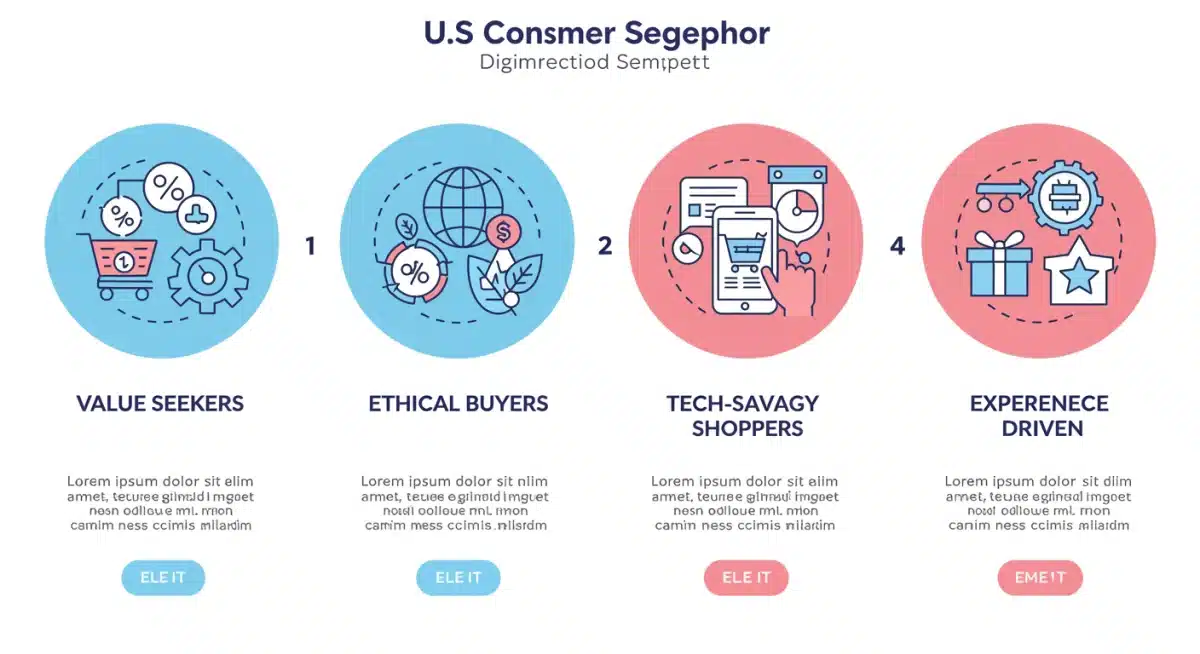
Ultimately, by moving beyond a narrow definition of price and instead focusing on the comprehensive worth of their offerings, sellers can resonate more deeply with US consumers. This strategic communication of holistic value not only justifies higher price points but also encourages consumers to invest more in a brand they trust and admire, directly contributing to an increased AOV.
The Personalization Imperative: Tailoring Experiences for Every Shopper
In an increasingly crowded marketplace, generic approaches fall flat. US consumers in 2025 expect highly personalized experiences that anticipate their needs, preferences, and even their mood. This isn’t just about addressing them by name; it’s about curating product recommendations, marketing messages, and even website layouts to feel uniquely relevant to each individual. Data-driven personalization is no longer a luxury but a fundamental expectation that significantly impacts AOV.
Ignoring personalization risks alienating customers who are bombarded with irrelevant information daily. A tailored experience, on the other hand, fosters a stronger connection, builds loyalty, and subtly encourages larger purchases by presenting exactly what the consumer might need or desire, often before they even realize it themselves. The goal is to make every interaction feel like a conversation with a trusted, knowledgeable assistant.
Leveraging Data for Hyper-Personalization
Effective personalization hinges on the intelligent collection and application of customer data. This includes browsing history, purchase patterns, demographic information, and even real-time behavior on your site. The challenge lies in translating this vast amount of data into actionable insights that drive meaningful, individualized experiences.
- Dynamic Product Recommendations: Implement AI-powered recommendation engines that suggest complementary products, upgrades, or items based on past purchases and browsing.
- Personalized Content Delivery: Tailor email marketing, website banners, and social media ads to reflect individual interests and previous interactions.
- Segmented Marketing Campaigns: Group customers based on shared characteristics (e.g., first-time buyers, high-value customers, recent browsers) and craft specific messages for each segment.
- Customized User Interfaces: Consider dynamic website elements that adjust based on a user’s location, device, or even their stage in the buying journey.
Beyond automated systems, human touches can further enhance personalization. For high-value customers, a personalized email from a sales representative or a special offer based on their unique history can make a significant impact. The key is to strike a balance between scalable automation and genuine, human-centric engagement.
In summary, mastering the personalization imperative means moving beyond superficial tactics to deeply understand and cater to individual US consumer preferences. By leveraging data to deliver hyper-relevant product suggestions, content, and experiences, sellers can not only delight their customers but also significantly drive up their Average Order Value in 2025.
The Ethical Consumption Trend: Purpose-Driven Purchasing
A growing segment of US consumers is increasingly making purchasing decisions based on a brand’s ethical stance, environmental impact, and social responsibility. This isn’t merely a niche trend; it’s a powerful and expanding movement influencing mainstream buying habits. Sellers who genuinely integrate ethical practices into their operations and effectively communicate these efforts will gain a significant competitive advantage and attract a loyal, often higher-spending, customer base.
Purpose-driven purchasing extends beyond avoiding harmful products; it actively seeks out brands that contribute positively to society and the planet. This includes fair labor practices, sustainable sourcing, reduced carbon footprints, and transparent business operations. Consumers are willing to pay more for products that align with their values, viewing their purchases as an extension of their personal ethics. Ignoring this trend is to miss a crucial opportunity to connect with a conscientious consumer base.
Building and Communicating a Sustainable and Ethical Brand
For sellers, responding to the ethical consumption trend requires more than just marketing spin; it demands genuine commitment and transparent communication. Authenticity is key, as savvy consumers are adept at detecting ‘greenwashing’ or superficial efforts.
- Sustainable Sourcing: Prioritize suppliers who adhere to ethical labor standards and environmentally friendly practices. Be prepared to provide evidence of these commitments.
- Eco-Friendly Packaging: Reduce plastic use, opt for recycled or biodegradable materials, and communicate these efforts clearly on your packaging and website.
- Transparent Supply Chains: Be open about where your products come from and how they are made. This builds trust and reinforces your ethical credentials.
- Community Engagement: Support local communities, charities, or social causes that resonate with your brand’s values, demonstrating a commitment beyond profit.
When communicating these efforts, focus on tangible actions and measurable impacts rather than vague statements. Share stories of your suppliers, highlight the environmental benefits of your materials, or show the positive impact of your community initiatives. This narrative not only attracts ethically conscious consumers but also fosters a deeper emotional connection with your brand, encouraging repeat purchases and potentially larger orders.
In conclusion, the ethical consumption trend represents a profound shift in US consumer behavior. By authentically embracing and transparently communicating sustainable and socially responsible practices, sellers can tap into a powerful market segment. This approach not only builds brand loyalty and enhances reputation but also directly contributes to an increased Average Order Value by appealing to consumers’ deeper values and encouraging more meaningful purchasing decisions.
The Experience Economy: Selling Moments, Not Just Products
In 2025, US consumers are increasingly prioritizing experiences over mere possessions. This shift has profound implications for sellers, who must now think beyond the tangible product and consider the entire journey and the emotions it evokes. Selling a product becomes an opportunity to sell an experience, whether it’s the joy of unboxing, the convenience of a subscription, or the sense of community around a brand. This focus on experience can significantly elevate perceived value and drive higher AOV.
This ‘experience economy’ means that every touchpoint, from website navigation to customer support, contributes to the overall feeling a consumer has about your brand. A memorable and positive experience can transform a one-time buyer into a loyal advocate, willing to explore more of your offerings and spend more per transaction. Conversely, a poor experience can quickly erode trust and send customers to competitors, regardless of product quality.
Crafting Memorable Customer Journeys
To thrive in the experience economy, sellers must meticulously design and optimize every aspect of the customer journey, ensuring it is not just efficient but also enjoyable and engaging. This holistic approach considers both pre-purchase excitement and post-purchase satisfaction.
- Interactive Website Elements: Incorporate virtual try-ons, 360-degree product views, or engaging video content to enhance the online browsing experience.
- Personalized Communication: Use data to send relevant updates, tips, or exclusive offers that make customers feel valued and understood.
- Exceptional Customer Support: Provide multiple channels for support (chat, email, phone) and empower representatives to resolve issues quickly and empathetically.
- Engaging Post-Purchase Experience: Focus on thoughtful packaging, personalized thank-you notes, easy-to-understand product instructions, and follow-up emails for feedback.
Consider how your brand can create unique moments that surprise and delight. This could be a small, unexpected gift with an order, access to exclusive content, or invitations to special events. These ‘moments of magic’ build emotional connections that go far beyond transactional relationships, fostering brand loyalty and encouraging customers to explore higher-value items or make repeat purchases.
In essence, by shifting focus from simply selling products to crafting unforgettable experiences, sellers can tap into a powerful driver of US consumer behavior. When customers feel valued, engaged, and delighted throughout their journey, they are far more likely to increase their Average Order Value and become long-term brand champions. This experiential approach is a cornerstone for growth in 2025.
Subscription Models and Loyalty Programs: Cultivating Long-Term Value
Beyond individual transactions, US consumers are increasingly drawn to models that offer ongoing value, convenience, and a sense of belonging. Subscription services and robust loyalty programs capitalize on this desire, transforming episodic purchases into continuous relationships. For sellers, these strategies are powerful tools for not only increasing customer retention but also significantly boosting Average Order Value (AOV) by encouraging recurring revenue and deeper engagement.
Subscription models, whether for physical products or digital services, provide predictable income streams and simplify the purchasing process for consumers. Loyalty programs, on the other hand, reward consistent engagement, making customers feel appreciated and incentivizing them to spend more to unlock greater benefits. Both strategies play into the consumer’s desire for ease, value, and recognition, fostering a stronger bond with the brand.
Designing Effective Loyalty and Subscription Frameworks
Implementing successful subscription models and loyalty programs requires careful planning and a deep understanding of your target audience’s needs and motivations. A one-size-fits-all approach is unlikely to yield optimal results; customization and perceived value are paramount.
- Tiered Loyalty Programs: Offer different levels of benefits (e.g., bronze, silver, gold) that unlock increasingly attractive rewards as a customer spends more, motivating them to reach higher tiers.
- Exclusive Member Perks: Provide early access to new products, members-only discounts, free shipping, or exclusive content to make loyalty feel truly rewarding.
- Flexible Subscription Options: Allow customers to customize their subscription frequency, pause, or swap products, giving them control and reducing churn.
- Bundled Subscription Offerings: Combine multiple products or services into a single subscription package at a perceived discount, increasing the initial AOV.
Crucially, the perceived value of these programs must outweigh their cost or effort for the consumer. Clearly communicate the benefits and make the enrollment and management processes as seamless as possible. Regular communication about accumulated points, upcoming rewards, or new subscription benefits keeps customers engaged and reminds them of the value they are receiving.
In conclusion, strategically implemented subscription models and loyalty programs are vital for cultivating long-term value from US consumers. By offering convenience, exclusive benefits, and a sense of belonging, sellers can transform transactional relationships into enduring partnerships. This not only secures repeat business but also effectively drives up Average Order Value as customers are incentivized to spend more and remain committed to the brand.
The Rise of Social Commerce: Influencing Purchases Through Community
Social media platforms have evolved far beyond mere communication tools; they are now powerful marketplaces where US consumers discover, research, and purchase products. The rise of social commerce signifies a shift where shopping is integrated seamlessly into social interactions, driven by influencer recommendations, peer reviews, and interactive shopping features. For sellers, understanding and leveraging this trend is crucial for reaching new audiences and significantly impacting AOV.
Social commerce thrives on trust and authenticity. Consumers are more likely to buy from brands or products recommended by people they follow or from businesses that engage genuinely within social communities. This environment bypasses traditional advertising fatigue, offering a more organic and engaging path to purchase. Brands that master social commerce can tap into powerful network effects, leading to viral growth and increased sales.
Strategies for Engaging in Social Commerce
To effectively participate in the social commerce landscape, sellers need to develop a multifaceted strategy that encompasses content creation, community engagement, and direct selling capabilities within social platforms. Authenticity and responsiveness are key to building trust and driving conversions.
- Influencer Marketing: Collaborate with relevant influencers whose audience aligns with your target market. Ensure their recommendations feel genuine and organic.
- User-Generated Content (UGC): Encourage customers to share their experiences with your products on social media. Reshare their content to build community and social proof.
- Live Shopping Events: Host interactive live streams on platforms like Instagram or TikTok, allowing customers to ask questions and purchase products in real-time.
- In-App Shopping Features: Utilize direct shopping links, product tags, and storefronts within platforms like Instagram, Facebook, and Pinterest to streamline the purchasing process.
Beyond direct sales, social media is an invaluable tool for market research and customer feedback. Monitoring conversations, engaging with comments, and running polls can provide real-time insights into consumer preferences and emerging trends. This direct line of communication helps sellers adapt their offerings and marketing strategies, further enhancing their appeal to the social-savvy US consumer.
In conclusion, the rise of social commerce is transforming how US consumers discover and purchase products. By strategically engaging with influencers, fostering user-generated content, hosting live shopping events, and utilizing in-app features, sellers can effectively integrate their offerings into the social fabric. This approach not only expands reach and builds brand advocacy but also serves as a potent channel for increasing Average Order Value in a community-driven marketplace.
The Role of AI and Data Analytics: Precision in Predicting Preferences
In the rapidly evolving landscape of US consumer behavior, Artificial Intelligence (AI) and advanced data analytics are no longer just buzzwords; they are indispensable tools for sellers seeking a competitive edge. These technologies enable a level of precision in understanding and predicting consumer preferences that was previously unattainable. For businesses aiming to increase Average Order Value (AOV) by 18% in 2025, leveraging AI and data analytics is paramount for optimizing everything from product development to personalized marketing.
AI-driven insights allow sellers to move beyond broad demographic assumptions to granular, individual-level predictions. This means understanding not just what a consumer bought, but why they bought it, what they might buy next, and how they prefer to interact with a brand. This predictive power allows for proactive engagement, highly relevant recommendations, and ultimately, more effective strategies for encouraging larger purchases.
Implementing AI and Data-Driven Strategies
Integrating AI and data analytics into your sales strategy requires a commitment to collecting relevant data, investing in appropriate technologies, and developing the expertise to interpret the insights generated. The goal is to create a continuous feedback loop that refuses your understanding of the customer.
- Predictive Analytics for Inventory: Use AI to forecast demand for specific products, ensuring popular items are always in stock and reducing potential lost sales.
- Personalized Pricing and Promotions: Employ AI algorithms to offer dynamic pricing or custom promotions to individual customers based on their purchasing history and likelihood to convert.
- AI-Powered Chatbots: Implement chatbots for 24/7 customer support, answering common questions, guiding customers through the shopping process, and even making product recommendations.
- Customer Lifetime Value (CLV) Prediction: Utilize AI to identify high-value customers and tailor retention strategies to maximize their long-term engagement and spending.
Beyond these applications, AI can also optimize website search functionality, personalize email marketing campaigns, and even analyze customer feedback to identify emerging trends or pain points. The insights derived from these tools enable sellers to make data-backed decisions that are far more effective than traditional, intuition-based approaches.
In conclusion, harnessing the power of AI and data analytics is critical for precision in predicting US consumer preferences in 2025. By moving towards a data-driven approach, sellers can optimize every facet of the customer journey, from product discovery to post-purchase engagement. This intelligent application of technology will not only lead to a deeper understanding of the consumer but also serve as a powerful catalyst for achieving a significant increase in Average Order Value.
| Key Insight | Actionable Strategy for AOV |
|---|---|
| Digital-First Expectation | Optimize mobile UX, streamline checkout, and enhance product information for seamless online experiences. |
| Holistic Value Perception | Communicate product quality, brand story, customer service, and social impact; bundle offers for enhanced utility. |
| Personalization Imperative | Leverage data for dynamic product recommendations, personalized content, and segmented marketing campaigns. |
| Ethical Consumption Trend | Integrate sustainable sourcing, eco-friendly packaging, and transparent supply chains; communicate efforts authentically. |
Frequently Asked Questions About US Consumer Behavior & AOV
In 2025, US consumer behavior is primarily driven by a blend of digital convenience, holistic value perception, and a strong preference for personalized and ethical brand experiences. Consumers seek brands that align with their values and offer seamless, engaging interactions across all touchpoints.
Personalization increases AOV by presenting highly relevant product recommendations, tailored content, and exclusive offers based on individual preferences and browsing history. This creates a more engaging shopping experience, encouraging customers to add more items to their cart and feel more connected to the brand.
Ethical consumption is crucial because a growing segment of US consumers prioritizes brands demonstrating social responsibility and environmental consciousness. Sellers who genuinely integrate and communicate ethical practices attract loyal customers willing to pay a premium, thereby boosting AOV and brand reputation.
Loyalty programs increase AOV by incentivizing repeat purchases and higher spending through tiered rewards, exclusive perks, and a sense of community. They transform one-time buyers into long-term customers who are motivated to interact more frequently and spend more to unlock greater benefits.
AI and data analytics analyze vast amounts of customer data to identify patterns, predict future purchasing behavior, and understand individual preferences. This enables sellers to offer precise product recommendations, optimize pricing, and tailor marketing efforts, leading to more relevant offers and increased AOV.
Conclusion
The journey to increasing Average Order Value by 18% in 2025 hinges on a profound and dynamic understanding of US consumer behavior. As explored, the modern consumer is digitally fluent, value-driven in a holistic sense, expects highly personalized experiences, and is increasingly influenced by ethical considerations. Furthermore, the burgeoning experience economy and the pervasive influence of social commerce reshape purchasing paths, while AI and data analytics provide the precision needed to navigate these complex waters.
For sellers, this means moving beyond traditional sales tactics to embrace a more integrated, customer-centric approach. By optimizing digital touchpoints, articulating a comprehensive value proposition, tailoring interactions, demonstrating genuine ethical commitment, crafting memorable experiences, fostering loyalty through innovative programs, engaging in social commerce, and leveraging the predictive power of AI, businesses can not only meet but exceed consumer expectations. The opportunity to significantly boost AOV is real, demanding agility, authenticity, and a relentless focus on the evolving desires of the American shopper.