Personalization at Scale: 3 Seller Strategies to Boost Repeat Purchases

Achieving personalization at scale is crucial for e-commerce sellers aiming to significantly increase repeat purchases, with strategic implementation leading to a projected 22% boost by 2025.
In today’s fiercely competitive e-commerce landscape, simply attracting customers isn’t enough; retaining them is the real game-changer. The ability to implement personalization at scale has emerged as a critical differentiator, promising not just fleeting attention but a profound 22% increase in repeat purchases by 2025 for sellers who master it. But what does true personalization at scale entail, and how can businesses effectively weave it into their operational fabric to foster unwavering customer loyalty?
Understanding the Power of Personalization at Scale
Personalization is no longer a luxury; it’s an expectation. Consumers today are accustomed to tailored experiences across all digital touchpoints, from streaming services suggesting their next binge-watch to social media feeds curated to their interests. When applied to e-commerce, personalization means delivering relevant content, product recommendations, and offers to individual customers at the right time, through the right channel.
However, the real challenge, and the true opportunity, lies in achieving this not just for a handful of customers but for millions – that’s personalization at scale. This involves leveraging data, automation, and advanced analytics to create unique customer journeys without manual intervention for each individual. The goal is to make every customer feel seen and understood, replicating the intimacy of a local shopkeeper on a global digital stage.
Why Scale Matters for Repeat Purchases
Scaling personalization goes beyond basic segmentation. It delves into individual behaviors, preferences, and historical interactions to predict future needs. This deep understanding allows sellers to:
- Anticipate customer desires before they express them.
- Prevent churn by proactively addressing potential issues.
- Build lasting relationships that transcend transactional exchanges.
The impact on repeat purchases is direct and substantial. When customers consistently receive relevant communications and discover products that truly resonate with them, their likelihood of returning to your store skyrockets. This fosters a sense of loyalty and value that is difficult for competitors to replicate.
Ultimately, understanding personalization at scale means recognizing that it’s not just about technology; it’s about a fundamental shift in how businesses approach customer relationships, moving from mass marketing to hyper-individualized engagement. This strategic pivot is essential for any seller aiming for sustainable growth and a significant boost in customer retention.
Strategy 1: Leveraging AI and Machine Learning for Hyper-Targeted Recommendations
The first cornerstone of effective personalization at scale is the intelligent application of Artificial Intelligence (AI) and Machine Learning (ML). These technologies are not just buzzwords; they are the engines that power sophisticated recommendation engines, allowing sellers to move beyond simple ‘customers who bought this also bought’ suggestions to truly hyper-targeted product discovery.
AI and ML algorithms can process vast amounts of customer data—including browsing history, purchase patterns, search queries, demographic information, and even real-time behavior—to identify subtle preferences and predict future buying intent. This capability transforms a generic shopping experience into a highly curated one, making customers feel as though the store intuitively understands their needs.
Building a Robust Recommendation Engine
Implementing an effective AI-driven recommendation system requires several key components:
- Data Collection and Integration: Consolidating data from all customer touchpoints, including website interactions, app usage, email engagement, and past purchases.
- Algorithm Selection: Choosing the right AI/ML algorithms (e.g., collaborative filtering, content-based filtering, hybrid models) that best suit your product catalog and customer base.
- Continuous Learning: Ensuring the system constantly learns and adapts from new data and customer feedback, improving recommendation accuracy over time.
The output of such an engine goes beyond just product suggestions. It can inform personalized search results, dynamic pricing strategies, and even the layout of a customer’s homepage. The goal is to present the most relevant items at every stage of the customer journey, reducing decision fatigue and increasing conversion rates.
By harnessing AI and ML, sellers can deliver a level of personalization that was once impossible, making every interaction feel unique and tailored. This precision not only enhances the shopping experience but also significantly increases the probability of repeat purchases, as customers come to rely on the store’s ability to consistently offer what they truly want.
Strategy 2: Orchestrating Omnichannel Personalization Journeys
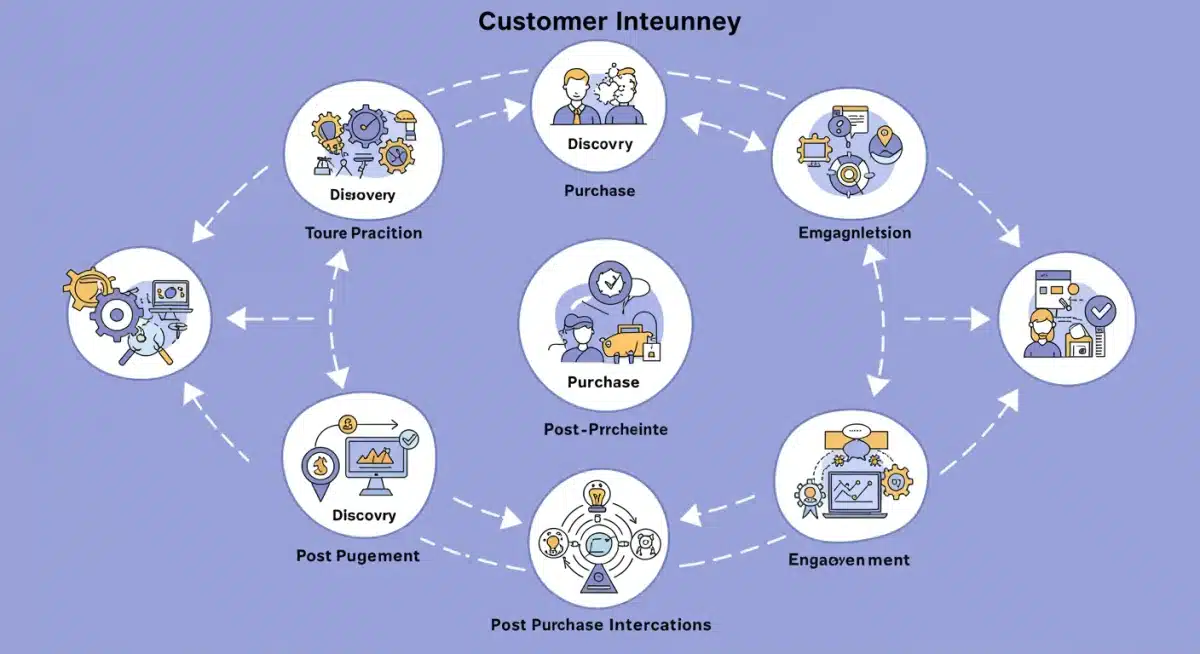
In today’s fragmented digital landscape, customers interact with brands across numerous channels: websites, mobile apps, social media, email, and even physical stores. Effective personalization at scale demands a seamless, consistent experience across all these touchpoints – a concept known as omnichannel personalization. This strategy ensures that a customer’s journey is not just personalized on one platform, but that their preferences and interactions are recognized and carried across every channel they choose to engage with.
The challenge lies in integrating data and insights from these disparate channels to create a unified customer profile. Without this holistic view, a customer might receive a personalized email based on their web history, only to be shown irrelevant ads on social media or generic product displays in an app. Such inconsistencies erode trust and diminish the perceived value of personalization.

Key to Seamless Cross-Channel Experiences
To orchestrate truly effective omnichannel personalization, sellers must focus on:
- Unified Customer Profiles: Building a single, comprehensive view of each customer by integrating data from all online and offline interactions. This allows for a consistent understanding of their preferences and behaviors.
- Contextual Relevance: Ensuring that personalized messages and offers are not only relevant to the customer but also appropriate for the specific channel and their current stage in the buying journey.
- Real-time Adaptation: The ability to dynamically adjust personalization strategies based on real-time customer actions, such as abandoning a cart on mobile or viewing a specific product multiple times on desktop.
For example, if a customer browses a product on your website but doesn’t purchase, an effective omnichannel strategy might trigger a personalized email reminder with a discount code, followed by a targeted social media ad showcasing the same product along with complementary items. This coordinated approach reinforces the message and increases the likelihood of conversion and, ultimately, repeat business.
By mastering omnichannel personalization, sellers can create a cohesive and continuously evolving customer experience that feels intuitive and highly valuable. This consistent engagement across all channels significantly strengthens customer loyalty, paving the way for increased repeat purchases and long-term brand advocacy.
Strategy 3: Implementing Proactive Customer Engagement and Feedback Loops
Beyond initial purchases, sustaining customer loyalty and driving repeat business hinges on proactive engagement and a robust system for collecting and acting on feedback. Personalization at scale isn’t a one-time setup; it’s an ongoing dialogue with your customer base. This strategy focuses on nurturing relationships post-purchase and continuously refining the customer experience based on their evolving needs and opinions.
Many businesses focus heavily on pre-purchase personalization but neglect the crucial post-purchase phase. This is a missed opportunity, as satisfied customers are your best advocates and most reliable source of repeat revenue. Proactive engagement means reaching out to customers with relevant content, support, and offers even when they haven’t explicitly asked for it, demonstrating that their business is valued beyond the transaction.
Cultivating Loyalty Through Engagement and Feedback
Key elements of this strategy include:
- Personalized Post-Purchase Communication: Sending tailored follow-up emails, such as care instructions for a product, suggestions for complementary items, or exclusive early access to new collections. These communications should be based on their purchase history and known preferences.
- Soliciting and Acting on Feedback: Actively encouraging customers to share their experiences through surveys, reviews, and direct communication channels. Crucially, this feedback must then be analyzed and used to inform improvements in products, services, and personalization strategies.
- Loyalty Programs and VIP Experiences: Creating tiered loyalty programs that offer increasing levels of personalization and exclusive benefits, making high-value customers feel especially appreciated. This can include personalized discounts, early access, or dedicated support.
For instance, an e-commerce store selling pet supplies might send personalized content on pet care tips relevant to the specific breed of pet a customer owns, alongside recommendations for new toys or food based on past purchases. If a customer provides negative feedback, a personalized apology and solution, perhaps even a compensatory offer, can turn a potential detractor into a loyal advocate.
By proactively engaging customers and demonstrating a genuine commitment to their satisfaction through personalized interactions and responsive feedback loops, sellers can significantly deepen customer relationships. This continuous cycle of engagement and improvement solidifies trust and dramatically increases the probability of repeat purchases, contributing directly to the 22% target increase.
Measuring Impact and Continuous Optimization
Implementing personalization at scale is an ongoing process, not a one-off project. To truly achieve and sustain a 22% increase in repeat purchases by 2025, sellers must commit to rigorously measuring the impact of their personalization efforts and continuously optimizing their strategies. This involves setting clear metrics, utilizing robust analytics, and fostering a culture of experimentation.
Without proper measurement, even the most sophisticated personalization initiatives can fall flat. It’s essential to understand which personalized elements are driving desired behaviors and which might need refinement. This data-driven approach allows for agile adjustments, ensuring that resources are allocated effectively and that personalization efforts are consistently delivering a positive return on investment.
Key Metrics and Optimization Approaches
To effectively measure and optimize personalization at scale, consider the following:
- Repeat Purchase Rate: The most direct measure of success, tracking the percentage of customers who make a second or subsequent purchase within a defined period.
- Customer Lifetime Value (CLV): Assessing the total revenue a business can reasonably expect from a single customer account over their relationship with the brand. Personalized experiences often lead to higher CLV.
- Conversion Rates of Personalized Content: Measuring the effectiveness of personalized product recommendations, emails, and ads by tracking their click-through rates and conversion to purchase.
- A/B Testing: Regularly testing different personalization approaches (e.g., different recommendation algorithms, personalized email subject lines) to identify what resonates most with specific customer segments.
- Feedback Analysis: Continuously analyzing customer feedback from surveys and reviews to identify areas for improvement and new personalization opportunities.
For example, an online apparel retailer might A/B test two different personalized email campaigns – one featuring products similar to a customer’s last purchase, and another showcasing new arrivals in their preferred style. By analyzing which campaign generated higher open rates, click-throughs, and purchases, they can refine future strategies.
By establishing clear metrics, embracing a culture of continuous testing, and actively seeking out areas for improvement, sellers can ensure their personalization at scale efforts are not just effective but also adaptable and future-proof. This iterative process is vital for maximizing the impact on repeat purchases and securing long-term customer loyalty.
The Future of Repeat Purchases: Beyond 2025
As we look beyond 2025, the landscape of e-commerce will continue to evolve, with personalization at scale remaining a central pillar of success. The strategies discussed – leveraging AI, orchestrating omnichannel journeys, and implementing proactive engagement – will not only endure but become even more sophisticated. Future advancements in technology and consumer expectations will push the boundaries of what’s possible, presenting new opportunities for sellers to deepen customer relationships and secure repeat business.
Emerging technologies like generative AI, advanced predictive analytics, and even virtual and augmented reality are poised to transform personalization even further. Imagine a future where customers can virtually try on clothes in a personalized digital fitting room, or receive real-time, context-aware product suggestions while browsing a physical store, all powered by a seamless integration of their digital profile. The potential for hyper-individualized experiences is vast.
Anticipating the Next Wave of Personalization
To stay ahead, sellers should begin exploring:
- Generative AI for Content Creation: Utilizing AI to create highly personalized product descriptions, marketing copy, and even visual content tailored to individual customer preferences and browsing styles.
- Predictive Personalization: Moving from reacting to customer behavior to proactively predicting their future needs and preferences with even greater accuracy, enabling truly anticipatory service.
- Hyper-Personalized Interfaces: Customizing not just content but the entire user interface of an e-commerce site or app based on individual user behavior and preferences, optimizing layout and navigation for each customer.
The brands that will thrive in this future are those that not only embrace these technological shifts but also maintain a deep understanding of human psychology and customer needs. The core principle of personalization will remain the same: making each customer feel uniquely valued and understood, regardless of the scale of operations.
By continuously innovating and adapting their personalization at scale strategies, sellers can ensure they not only meet but exceed the projected 22% increase in repeat purchases by 2025, building resilient businesses centered around enduring customer loyalty. The future belongs to those who master the art and science of individual connection in a mass market.
| Strategy Focus | Description & Impact |
|---|---|
| AI/ML Recommendations | Utilizes data to provide hyper-targeted product suggestions, enhancing relevance and encouraging repeat purchases. |
| Omnichannel Journeys | Ensures consistent, personalized experiences across all customer touchpoints, building trust and loyalty. |
| Proactive Engagement | Nurtures post-purchase relationships through tailored communication and acting on feedback, driving sustained loyalty. |
| Measurement & Optimization | Continuous tracking of KPIs and A/B testing to refine strategies and maximize repeat purchase rates. |
Frequently Asked Questions About Personalization at Scale
Personalization at scale refers to delivering highly relevant and individualized experiences to a large customer base using automation and data-driven technologies. It moves beyond basic segmentation to offer unique content, recommendations, and offers to millions of customers simultaneously, fostering a one-to-one relationship at an enterprise level.
AI and Machine Learning analyze vast amounts of customer data to predict preferences and buying intent, enabling hyper-targeted product recommendations and content. This relevance makes shopping experiences more enjoyable and efficient, significantly increasing the likelihood of customers returning for future purchases.
Omnichannel personalization ensures a consistent and unified customer experience across all touchpoints, such as websites, apps, and email. By integrating data from these channels, sellers can maintain a continuous, personalized dialogue, building stronger relationships and encouraging repeat business regardless of where the customer engages.
Customer feedback is crucial for continuous improvement. By actively soliciting and analyzing feedback, sellers can refine their personalization strategies, address pain points, and adapt to evolving customer needs. This responsive approach demonstrates value and strengthens loyalty, directly impacting repeat purchase rates positively.
Beyond 2025, personalization will likely see advancements with generative AI creating bespoke content, more sophisticated predictive analytics for anticipatory services, and hyper-personalized user interfaces. Sellers who embrace these innovations will further deepen customer relationships and secure enduring loyalty in an increasingly competitive market.
Conclusion
The journey to achieving a 22% increase in repeat purchases by 2025 through personalization at scale is both strategic and transformative. By meticulously implementing AI and Machine Learning for hyper-targeted recommendations, orchestrating seamless omnichannel customer journeys, and fostering proactive engagement supported by robust feedback loops, sellers can build an unshakeable foundation of customer loyalty. This isn’t merely about adopting new technologies; it’s about fundamentally reshaping the customer experience to be more intuitive, relevant, and deeply satisfying. As the e-commerce landscape continues its rapid evolution, those who master the art of connecting with individual customers on a massive scale will undoubtedly be the ones to thrive, securing not just repeat business but enduring brand advocacy.