E-commerce Demand Forecasting for 2025 Holiday Season
Effective e-commerce demand forecasting for the 2025 holiday season is crucial for maximizing sales and minimizing waste, requiring advanced data analytics and a proactive approach to market trends and consumer behavior.
The holiday season represents a pivotal period for e-commerce, often dictating a significant portion of annual revenue. To truly capitalize on this opportunity, businesses must master e-commerce demand forecasting, transforming uncertainty into actionable insights for the 2025 holiday season.
Understanding the Holiday E-commerce Landscape
The holiday e-commerce landscape is a dynamic and often unpredictable environment, shaped by evolving consumer behaviors, economic shifts, and technological advancements. A thorough understanding of these underlying forces is the bedrock upon which accurate demand forecasting is built.
Preparing for the 2025 holiday season requires looking beyond immediate trends. It necessitates a deep dive into historical data, while also considering emerging patterns that could dramatically alter consumer purchasing habits. This strategic foresight allows businesses to anticipate rather than merely react.
The Evolving Consumer Journey
Today’s consumer journey is omnichannel, complex, and highly personalized. Understanding how shoppers discover, research, and purchase products during the holidays is paramount.
- Digital Discovery: Social media, influencer marketing, and search engines play a huge role in product discovery.
- Mobile-First Shopping: A significant portion of holiday shopping now occurs on mobile devices, impacting website design and payment processes.
- Personalization Expectations: Consumers expect tailored recommendations and offers, driven by their past interactions and preferences.
Economic Indicators and Market Trends
Macroeconomic factors significantly influence consumer spending power and confidence. Inflation, interest rates, and employment figures can all impact holiday budgets. Similarly, broader market trends, such as the growing preference for sustainable products or the rise of specific product categories, must be monitored.
Analyzing these indicators provides a crucial context for forecasting, helping to adjust projections based on the anticipated economic climate. Ignoring these external factors can lead to significant discrepancies between forecasts and actual demand.
In essence, navigating the holiday e-commerce landscape successfully means embracing a holistic view, integrating both micro-level consumer insights and macro-economic perspectives into your forecasting models. This comprehensive approach ensures that your predictions are robust and adaptable.
Leveraging Historical Data for Predictive Insights
Historical data stands as one of the most powerful assets in the arsenal of any e-commerce business aiming to refine its demand forecasting for the holiday season. It provides a quantitative narrative of past performance, revealing patterns and correlations that are invaluable for future predictions.
However, simply looking at last year’s sales isn’t enough. Effective utilization of historical data involves sophisticated analysis, segmenting information to uncover deeper insights and understanding the nuances of past events.
Deconstructing Past Sales Performance
Beyond total sales figures, dissecting historical data involves examining various dimensions of past performance. This includes understanding peak sales periods, popular product categories, and the impact of previous marketing campaigns.
- Sales Volume by Product: Identify top-performing products and those that consistently underperformed during holiday seasons.
- Geographic Sales Patterns: Analyze regional differences in demand to tailor inventory distribution.
- Promotional Effectiveness: Evaluate the uplift generated by past discounts, bundles, and advertising efforts.
Identifying Seasonality and Trend Components
Every e-commerce business experiences seasonality, and the holiday season is a prime example. Isolating these seasonal fluctuations from long-term trends is critical for accurate forecasting. This involves using statistical methods to decompose historical time series data.
By understanding these components, businesses can differentiate between temporary spikes and sustained growth, leading to more precise inventory planning. This distinction prevents overstocking due to a temporary surge or understocking during a genuine growth phase.
The true power of historical data lies in its ability to reveal the ‘why’ behind past outcomes. By meticulously analyzing sales, marketing, and operational data from previous holiday seasons, businesses can build more intelligent and resilient forecasting models, ensuring they are better prepared for the unique demands of 2025.
Integrating Advanced Analytics and Machine Learning
In the quest for superior e-commerce demand forecasting, advanced analytics and machine learning (ML) have emerged as indispensable tools. These technologies move beyond traditional statistical methods, offering the capacity to process vast datasets and uncover complex, non-linear relationships that human analysis might miss.
For the 2025 holiday season, embracing these techniques means transitioning from reactive adjustments to proactive, data-driven decision-making, providing a significant competitive edge.

Predictive Modeling Techniques
Machine learning models excel at identifying intricate patterns within data and making predictions based on these learned relationships. Several techniques are particularly relevant for demand forecasting.
- Regression Models: Linear and multiple regression can predict demand based on quantifiable factors like price, promotions, and seasonality.
- Time Series Models: ARIMA, SARIMA, and Exponential Smoothing are effective for forecasting based on historical demand patterns over time.
- Neural Networks: Deep learning models can capture highly complex patterns and are particularly useful with very large and diverse datasets.
Incorporating External Data Sources
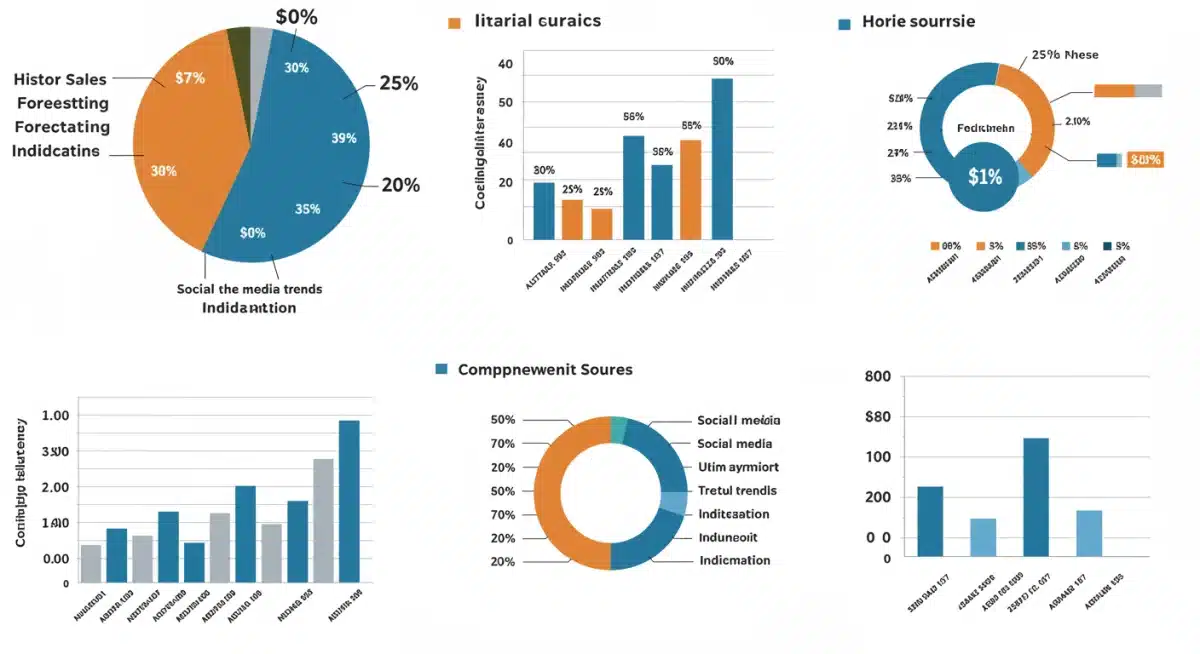
The accuracy of ML models is significantly enhanced by incorporating a wide array of external data. This provides a richer context for predictions, reflecting the multifaceted influences on consumer behavior.
Think beyond just internal sales data; consider how external factors can swing demand. Weather patterns, for instance, can heavily influence sales of certain products, while major news events can shift consumer priorities.
External data points can include:
- Social Media Trends: Sentiment analysis and trending topics can signal upcoming product interest.
- Competitor Activities: Monitoring competitor pricing and promotions can inform your own strategies.
- Economic Indicators: Inflation rates, consumer confidence indices, and unemployment figures can predict overall spending.
- Search Engine Data: Google Trends data on specific product searches can indicate burgeoning demand.
By judiciously integrating advanced analytics and machine learning with diverse data sources, e-commerce businesses can develop highly accurate and adaptable demand forecasts, ensuring they are optimally prepared for the complexities of the 2025 holiday shopping rush.
Optimizing Inventory and Supply Chain Management
Accurate e-commerce demand forecasting is not an end in itself; its ultimate purpose is to inform and optimize inventory and supply chain management. For the 2025 holiday season, this translation of forecast into action is critical for both profitability and customer satisfaction.
An optimized supply chain ensures that products are available when and where customers want them, minimizing both stockouts and excess inventory, both of which carry significant costs.
Dynamic Inventory Strategies
Static inventory models are ill-suited for the volatile nature of holiday e-commerce. Businesses need dynamic strategies that can adapt quickly to real-time sales data and evolving forecasts.
This means moving away from rigid reorder points and embracing systems that can automatically adjust based on predictive analytics. The goal is to maintain optimal stock levels across all sales channels without tying up excessive capital in unsold goods.
Supplier Relationship Management
A robust supply chain relies heavily on strong relationships with suppliers. Proactive communication and collaboration are essential, especially during high-demand periods like the holiday season. Sharing your demand forecasts with key suppliers enables them to prepare accordingly, reducing lead times and ensuring product availability.
- Early Communication: Share preliminary forecasts with suppliers months in advance.
- Flexible Agreements: Negotiate terms that allow for adjustments based on updated demand signals.
- Contingency Planning: Work with multiple suppliers or establish backup plans for critical components.
Logistics and Fulfillment Efficiency
The final leg of the supply chain – logistics and fulfillment – directly impacts customer satisfaction. Efficient warehousing, picking, packing, and shipping processes are paramount during the holiday rush. Leveraging technology for warehouse automation and optimizing shipping routes can significantly reduce costs and delivery times.
By meticulously linking precise demand forecasts to agile inventory and supply chain operations, e-commerce businesses can navigate the 2025 holiday season with confidence, delivering exceptional customer experiences while safeguarding their bottom line.
The Role of Marketing and Promotions in Demand Shaping
While demand forecasting predicts what consumers will buy, marketing and promotions actively shape that demand. For the 2025 holiday season, a synergistic approach, where forecasting informs marketing and marketing, in turn, influences demand, is key to maximizing sales and managing inventory effectively.
This proactive demand shaping allows e-commerce businesses to steer consumer interest towards specific products, optimize promotional spend, and even mitigate potential overstock situations.
Targeted Promotional Campaigns
Generic promotions are often inefficient. Demand forecasts provide the data needed to create highly targeted campaigns, identifying which customer segments are most likely to respond to specific offers and for which products.
- Personalized Offers: Tailor discounts and bundles based on individual browsing and purchase history.
- Segmented Messaging: Craft unique marketing messages for different customer groups identified by forecasting data.
- Timing Optimization: Launch promotions at predicted peak demand times to maximize impact.
Dynamic Pricing Strategies
Demand forecasts can also inform dynamic pricing, allowing businesses to adjust prices in real-time based on current demand, inventory levels, and competitor pricing. This strategy can help clear excess stock or capitalize on high-demand items.
However, dynamic pricing must be implemented carefully to avoid alienating customers. Transparency and perceived fairness are crucial for maintaining trust and brand loyalty.
Influencer Marketing and Social Proof
Leveraging influencers and social proof can significantly amplify demand. By identifying products predicted to be popular, businesses can strategically partner with influencers to generate buzz and demonstrate product value through authentic reviews and user-generated content.
This approach builds trust and encourages purchases, effectively shaping demand in line with forecasted trends. Integrating marketing and promotions with robust demand forecasting creates a powerful feedback loop, allowing e-commerce businesses to not only predict the future but actively participate in creating it for the 2025 holiday season.
Mitigating Risks and Adapting to Unforeseen Changes
Even the most sophisticated e-commerce demand forecasting models cannot account for every possible variable. The real world is replete with unforeseen events, from sudden economic downturns to unexpected supply chain disruptions. Therefore, a critical component of 2025 holiday season planning is developing robust risk mitigation strategies and fostering agility.
Businesses must build resilience into their operations, enabling them to adapt swiftly to changes and minimize their negative impact.
Scenario Planning and Contingency Measures
Proactive scenario planning involves envisioning various potential futures and developing corresponding contingency plans. This prepares the business for both optimistic and pessimistic outcomes, reducing panic and enabling swift, informed responses.
- Best-Case Scenario: How to scale operations rapidly if demand significantly exceeds forecasts.
- Worst-Case Scenario: Strategies for managing excess inventory or navigating severe supply chain disruptions.
- Moderate Deviation: Plans for slight over or under-forecasting, such as targeted promotions or expedited shipping.
Building Supply Chain Resilience
A resilient supply chain is diversified and flexible. Relying on a single supplier or a single transportation route creates significant vulnerabilities. Building resilience means actively seeking alternatives and establishing strong relationships across the supply network.
Exploring nearshoring or reshoring options, even for a portion of your inventory, can provide a buffer against international shipping delays and geopolitical risks.
Real-time Monitoring and Adjustment
Forecasting is an ongoing process, not a one-time event. Continuous, real-time monitoring of sales data, website traffic, social media sentiment, and external market signals is essential. This allows businesses to quickly identify deviations from forecasts and make necessary adjustments.
Implementing agile decision-making processes ensures that when a discrepancy is detected, the business can pivot its strategies for inventory, marketing, or fulfillment without significant delay. By embracing risk mitigation and fostering adaptability, e-commerce businesses can navigate the inherent uncertainties of the 2025 holiday season, transforming potential challenges into opportunities for growth and resilience.
Future Trends in E-commerce Demand Forecasting
The landscape of e-commerce demand forecasting is continuously evolving, driven by advancements in technology and a deeper understanding of consumer behavior. Looking ahead to the 2025 holiday season and beyond, several key trends are poised to reshape how businesses predict and manage demand.
Staying abreast of these innovations will be crucial for maintaining a competitive edge and ensuring sustained growth in the dynamic e-commerce sector.
AI and Predictive Personalization
Artificial intelligence (AI) will play an even more central role, moving beyond aggregate forecasts to highly personalized predictions. AI-driven systems will be able to predict individual customer demand with greater accuracy, anticipating not just what products will be popular, but which specific customers will buy them.
This level of personalization will revolutionize marketing, inventory allocation, and customer experience, leading to hyper-targeted campaigns and minimized waste.
Increased Use of External Data Feeds
The integration of diverse external data sources will become standard practice. Beyond traditional economic indicators, forecasts will leverage real-time data from:
- IoT Devices: Data from smart homes and wearables could indicate lifestyle trends influencing purchases.
- Geospatial Data: Location-based insights can provide localized demand signals.
- Environmental Factors: More sophisticated integration of weather, climate, and even public health data into models.
Blockchain for Supply Chain Transparency
While not a direct forecasting tool, blockchain technology will enhance the accuracy and reliability of supply chain data, which in turn feeds into forecasting models. Increased transparency regarding product origins, movement, and authenticity will lead to more precise inventory management and better risk assessment.
The future of e-commerce demand forecasting is characterized by greater intelligence, integration, and adaptability. Businesses that invest in these emerging technologies and methodologies will be best positioned to thrive in the increasingly complex and competitive holiday seasons of tomorrow, ensuring their readiness for 2025 and beyond.
| Key Aspect | Brief Description |
|---|---|
| Historical Data | Analyze past sales, seasonality, and promotional impact for foundational insights. |
| Advanced Analytics | Utilize ML models like regression, time series, and neural networks for precise predictions. |
| Supply Chain Optimization | Translate forecasts into dynamic inventory strategies and strong supplier relationships. |
| Risk Mitigation | Implement scenario planning and build supply chain resilience for unforeseen events. |
Frequently asked questions about e-commerce demand forecasting
Demand forecasting is crucial for the 2025 holiday season because it enables businesses to optimize inventory, prevent stockouts or overstocking, and plan marketing strategies effectively. Accurate forecasts lead to maximized sales, reduced waste, and improved customer satisfaction during this peak shopping period.
Most valuable data sources include historical sales data, website traffic, social media trends, economic indicators (e.g., consumer confidence), competitor analysis, and search engine query data. Combining internal and external data provides a comprehensive view for more accurate predictions.
Machine learning improves forecasting accuracy by processing vast amounts of data and identifying complex, non-linear patterns that traditional methods might miss. It can integrate diverse data sources and continuously learn from new information, leading to more dynamic and precise predictions over time.
Inaccurate demand forecasting carries significant risks, including stockouts leading to lost sales and customer dissatisfaction, or overstocking resulting in increased carrying costs, obsolescence, and markdowns. Both scenarios negatively impact profitability and operational efficiency.
Marketing actively shapes demand, so forecasting must account for planned promotional activities. By collaborating, forecasts can inform targeted campaigns, while marketing efforts can be strategically adjusted to align with inventory levels, influencing consumer behavior to match supply and maximize sales.
Conclusion
Mastering e-commerce demand forecasting for the 2025 holiday season is no longer a luxury but a necessity for survival and growth in the competitive online retail space. By meticulously analyzing historical data, embracing advanced analytics and machine learning, and integrating these insights into agile inventory and supply chain management, businesses can transform uncertainty into strategic advantage. Furthermore, a proactive approach to demand shaping through targeted marketing and robust risk mitigation strategies will ensure resilience and profitability. The future belongs to those who can predict, adapt, and innovate.